
Parenting / 17 July, 2025 / My Baba
Summer is a magical time full of fun, freedom, and family. But while school’s out, young minds can slip into “summer brain drain”—a loss of academic progress that can make September a struggle. Research shows that children can lose up to two months’ worth of reading and mathematics skills over the summer, and by the end of primary school, summer learning loss can account for two-thirds of the achievement gap between low-income and higher-income students. Thankfully, keeping kids engaged during the summer doesn’t mean rigorous lessons or extra homework. Incorporating play, creativity, and interactive experiences is the key to helping children retain what they’ve learned and return to school confident and refreshed.
Here are seven top tips for avoiding summer brain drain in children aged 3 to 13:
1. Make Reading a Daily Habit
Daily reading—even just 10 to 20 minutes—helps develop vocabulary, comprehension, and creativity. Let kids choose stories that interest them and vary reading formats to include books, comics, and audiobooks. For younger children, read together and talk about the illustrations and story. For older kids, create a simple reading challenge or let them keep a book journal.
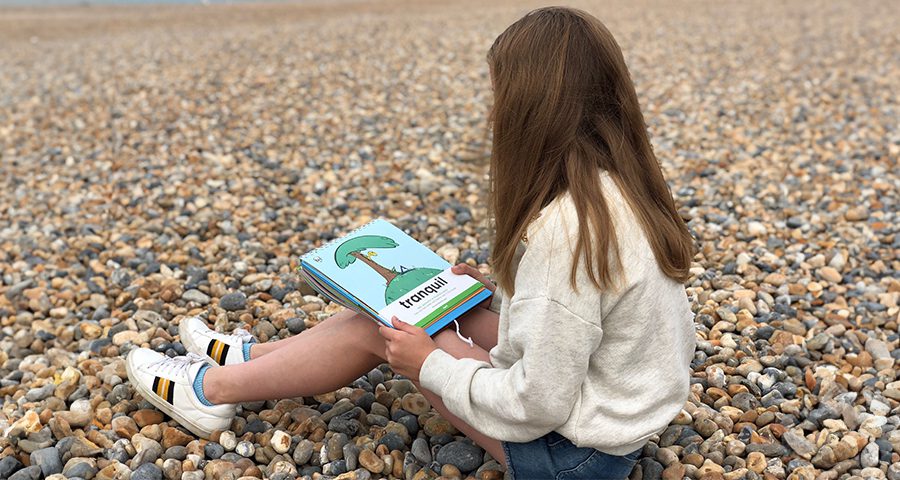
Start with My Epic Life Daily Word Workout:
This engaging flip book is designed to introduce children to a new, powerful word each day, along with its meaning, usage, and a fun illustration. Unlike reading a comic book, which immerses kids in a narrative, the Daily Word Workout focuses on building vocabulary and word confidence in bite-sized, daily sessions. Each day, your child can:
- Flip to the new word and read its definition and example sentence.
- Discuss the word together and try to use it in a conversation or story that day.
- Draw their own picture or write a sentence using the word, reinforcing understanding and creativity.
This routine not only expands vocabulary but also encourages curiosity about language and helps children express themselves more precisely.

Here are some kid-favourite reads trending this year:
Ages 3–6:
-
- The Bear and the Piano by David Litchfield
- The Rabbit Listened by Cori Doerrfeld
- Narwhal and Jelly by Ben Clanton (great for early graphic novel fans!)
Ages 7–10:
-
- InvestiGators series by John Patrick Green
- Dog Man series by Dav Pilkey
- Amari and the Night Brothers by B.B. Alston
Ages 10–13:
-
- The Last Cuentista by Donna Barba Higuera
- Front Desk by Kelly Yang
- Wingbearer by Marjorie Liu and Teny Issakhanian (for graphic novel lovers)
Tip: Keep a book basket in the car or garden, and bring books on holiday to turn downtime into story time1.
2. Play Your Way to Learning
Card and board games make it easy to learn through play. Whether you’re on vacation or enjoying a cosy afternoon at home, games help develop vocabulary, storytelling, strategy, and critical thinking.
- Blah Blah Blah Card Game (ages 3–7): A fun phonics game that turns learning letter-sound relationships and decoding into giggle-filled gameplay. Perfect for ages 3 and up, this teacher-approved tool helps early readers build confidence.
- Storyteller’s Card Game (ages 7–13): With 300 descriptive word cards and 200 delightfully absurd prompts, this vocabulary and storytelling booster will have kids aged 7–13 dreaming up wild, imaginative adventures—all while learning.
Other great board games to try:
- Race to the Treasure! (Cooperative logic game, ages 5+)
- Outfoxed! (Deduction game with a fun mystery twist, ages 5–8)
- Catan: Junior (Strategy and resource management, ages 6+)
- Rory’s Story Cubes (Great for storytelling and imagination, ages 6+)
3. Bring Learning into Everyday Life
Put math, science, and literacy into daily routines:
- Cook or bake together and practice measuring and fractions.
- Grocery shop with a budget and compare prices per unit.
- Start a nature journal: collect leaves, sketch bugs, or write observations during hikes.
- Create a summer bucket list and track progress in a homemade calendar.
These hands-on activities make abstract concepts meaningful and memorable.
4. Boost Storytelling with Sound and Play
Writing can be intimidating for some kids, but storytelling unlocks creativity in many forms. Encourage your child to invent stories based on their experiences or stories they’ve heard.
- Use the Storyteller Words a Day Flip Book from Mrs Wordsmith to introduce rich vocabulary and playful sentence starters. Flip a page every day until you magically transform into an international best-selling author. Join out-of-control characters as they rampage through 180 hilariously illustrated words that will liven up your children’s writing.
- Yoto Player (a kid-safe audio player with physical story cards) is a fantastic way for children to listen to a variety of stories, then later retell or adapt them using drawing or writing.
Try having your child record their own stories and play them back—you’ll be surprised how quickly their narrative confidence grows!

5. Embrace Healthy Screen Time (With Built-in Limits!)
Not all screen time is unhealthy, especially when it’s smart, structured, and encouraging active learning.
- Word Tag (ages 7–13): Word Tag® combines expert-designed missions with proven learning strategies and exciting gameplay to make building vocabulary genuinely fun. It’s an educational app kids want to play, making it a powerful, game-based way to boost word knowledge while having a blast.
- Readiculous (ages 3–7): Readiculous® is the phonics adventure kids can’t resist! Built on the Science of Reading, it combines laugh-out-loud fun with essential phonics practice, helping kids build strong reading foundations while developing a lifelong love of language and learning.
Both apps have screen time limits built in, so parents can relax.
Other healthy screen time ideas:
- Watch a nature documentary as a family, then discuss what you learned.
- Follow online tutorials for DIY crafts or science experiments.
- Record your own news report or documentary about a summer trip.
The goal is to ensure screen time promotes active thinking, not passive watching.
6. Plan Local Learning Adventures
Explore learning outside of the house:
- Take day trips to museums, nature reserves, or planetariums.
- Visit local landmarks and have your child write or draw about the visit.
- Attend free library events or kids’ workshops at garden centres or community theatres.
These experiences build real-world knowledge and fuel imaginative thinking.
7. Keep a Relaxed Yet Consistent Routine
Children thrive on structure, but summer can be flexible and fun, too. Include dedicated time each day for reading, creative play, movement, and downtime. Even one hour of brain-friendly fun a day can help preserve academic growth while still leaving plenty of time for rest and play.
Preventing summer brain drain is all about keeping kids curious, engaged, and having fun. With Mrs Wordsmith’s award-winning resources and a few creative routines, your child can return to school confident and ready to learn!
Sponsored content in collaboration with Mrs Wordsmith
READ NEXT
NEW Water Confidence Toys: Make A Splash With Zoggs Sports Day This Summer